
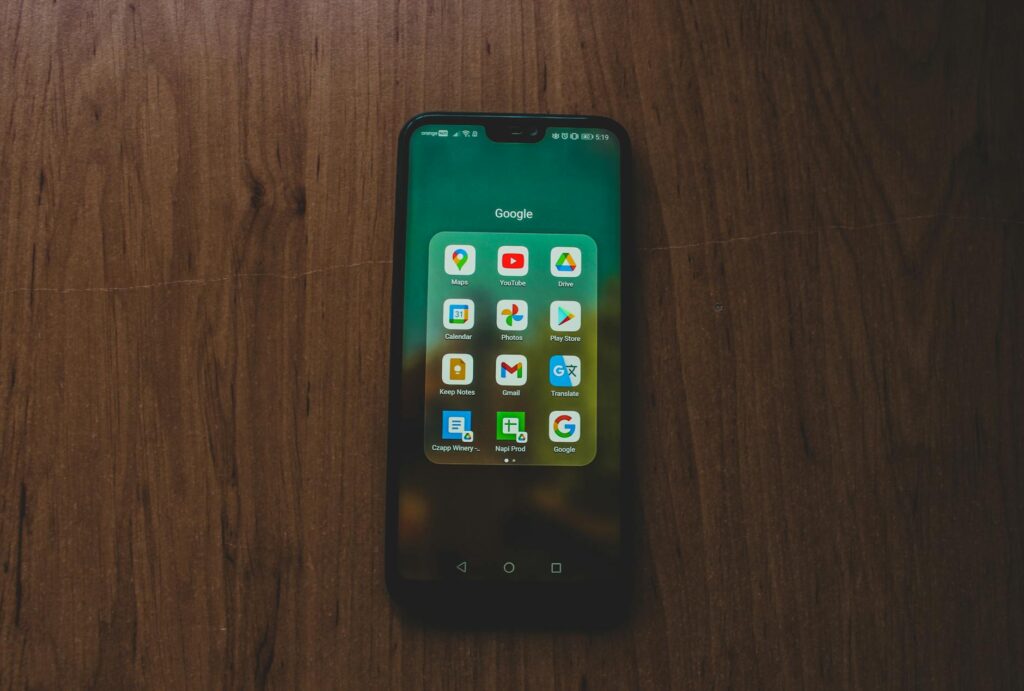
Remember Google Plus? For a brief period, it felt like the next big thing in social networking, poised to challenge Facebook’s dominance. Launched with much fanfare by Google in 2011, it aimed to integrate Google’s vast array of services and offer a more personalized, privacy-conscious social experience. But here we are, years later, and the platform is a ghost of its former self. So, what exactly was G Plus, and why did it ultimately fail to capture the public’s imagination?
In this article, we’ll take a deep dive into the world of G Plus, exploring its features, its intended purpose, and the reasons behind its eventual shutdown. Whether you were a loyal user or just curious about this chapter in social media history, we’ll cover what you need to know.
Latest Update (April 2026)
As of April 2026, Google Plus as a social networking platform is defunct, having been shut down by Google in 2019. While the core G Plus product no longer exists, Google has continued to evolve its communication and AI offerings. For instance, Google’s Gemini AI is actively being developed, with new personalization features and temporary chat options introduced in August 2025, as reported by Google’s official blog. This demonstrates Google’s ongoing commitment to integrating AI and enhanced user experiences across its services, a far cry from its G Plus ambitions.
What Was G Plus?
G Plus, or Google Plus, was Google’s ambitious attempt to create its own social networking platform. It launched in June 2011, aiming to leverage Google’s existing user base and integrate social features across its services like Search, Gmail, and YouTube. The idea was to offer a more refined and user-friendly way to connect with people online, share content, and interact within communities.
At its core, G Plus was designed to be more than just a place to post updates. Google envisioned it as a digital layer that would enhance all your online interactions. Users could create profiles, share photos and videos, join groups called “Communities,” and engage in real-time video chats through “Hangouts.” It was tightly integrated with a Google account, meaning signing up was easy for millions already using Gmail or YouTube.
The platform was built around the concept of “Circles,” a way to organize contacts into different groups, allowing users to share specific content with specific people. This was a key differentiator from competitors at the time, offering a more granular approach to privacy and sharing. However, despite these innovative features, G Plus struggled to compete with established giants like Facebook and Twitter.
The initial rollout was invite-only, creating buzz and exclusivity. But as it opened to the public, the momentum seemed to stall. Google continued to push G Plus, even making it a requirement for certain Google services, which often led to user frustration rather than engagement. The platform officially began its shutdown process in August 2018, with personal profiles being completely deleted in April 2019.
Featured Snippet Answer:
G Plus, or Google Plus, was Google’s social networking platform launched in 2011. It aimed to integrate social features across Google services, using “Circles” for organizing contacts and “Hangouts” for video calls. Despite innovative features, it failed to gain widespread adoption and was shut down in 2019.
Key Features That Defined G Plus
G Plus introduced several features that were either innovative for their time or represented Google’s unique approach to social networking. Understanding these features helps paint a clearer picture of what Google was trying to achieve.
- Circles: This allowed users to drag and drop contacts into different circles, such as “Family,” “Friends,” or “Colleagues.” When posting an update, users could choose which circle(s) to share it with, offering a more controlled sharing environment.
- Hangouts: Initially a part of G Plus, Hangouts allowed users to initiate video calls with multiple people. It was a robust video chat tool that was later spun off into its own service before evolving into Google Chat and Meet.
- Communities: These were groups focused on specific interests, similar to Facebook Groups or Reddit subreddits, allowing users to connect with others who shared similar passions.
- Photo Sharing: The platform offered unlimited, high-resolution photo storage for G Plus users, a significant draw for many. Features like automatic photo uploading from mobile devices were also included.
The initial goal of G Plus was to reach 100 million users within the first year, a target it reportedly surpassed by March 2012. However, active usage remained a challenge.
Why Did G Plus Fail to Gain Traction?
Despite its innovative features and Google’s backing, G Plus never quite caught on with the general public. Several factors contributed to its downfall. One of the biggest hurdles was its perceived lack of necessity. Facebook was already deeply entrenched, and many users didn’t see a compelling reason to switch or maintain a presence on yet another social network.
The integration, while intended to be a strength, often felt forced. Google made signing up for G Plus a prerequisite for using other Google services, which annoyed many users who just wanted to use the core services without engaging in social networking. This felt like an invasion of privacy and utility for many.
Another issue was the platform’s complexity and the difficulty in understanding its purpose. Unlike the straightforward nature of Facebook or Twitter, G Plus’s core value proposition was often unclear to the average user. The constant changes and the push to adopt new features also contributed to user confusion and disengagement.
Lessons Learned from the G Plus Experience
The failure of Google Plus provided several key takeaways for the tech industry. Firstly, it highlighted the importance of genuine user need and organic adoption over forced integration. Users are unlikely to embrace a new platform if it doesn’t solve a clear problem or offer a significantly better experience than existing solutions.
Secondly, the G Plus experience underscored the challenges of competing with established social media giants. Building a new social network from scratch requires immense network effects and a compelling reason for users to migrate their existing social graph. Google, despite its vast resources, could not overcome Facebook’s early lead and established user base.
Finally, the G Plus story serves as a cautionary tale about privacy and user trust. While G Plus aimed for a more privacy-conscious experience, the forced integration and the eventual shutdown, which involved data deletion, eroded user confidence. As reported by WIRED, even in 2026, consumer trust in tech platforms remains a significant consideration, influencing purchasing decisions for everything from phones to AI services.
Alternatives to G Plus in Today’s Social Sphere
In 2026, the social media landscape is vastly different from when G Plus launched. Instead of a single dominant platform, users have a plethora of specialized networks and communication tools. For connecting with friends and family, platforms like Instagram, TikTok, and WhatsApp remain popular. For professional networking, LinkedIn continues to be the go-to. Niche communities can be found on platforms like Reddit or Discord, catering to specific interests.
Google itself has shifted its focus. While G Plus is gone, its legacy lives on in services like Google Meet for video conferencing and Google Chat for messaging, which are now part of Google Workspace. Furthermore, as DemandSage compared in February 2026, the focus has heavily shifted towards AI-powered interactions, with platforms like ChatGPT and Google’s own Gemini offering new ways to engage with information and services. Gemini’s continuous development, including features like temporary chats, as noted by blog.google, signifies Google’s evolution in user-facing technology.
Is G Plus Still Active?
No, Google Plus is not active. The social networking service was officially shut down by Google. Personal Google Plus accounts were deleted on April 2, 2019. Any remaining data associated with G Plus, such as photos or videos, would have been deleted at that time.
Frequently Asked Questions
What happened to Google Plus?
Google Plus was shut down due to low user engagement and security concerns. Google began the shutdown process in August 2018, and all personal user data was deleted in April 2019.
Could Google Plus have succeeded?
While G Plus had innovative features like Circles and Hangouts, it struggled to gain significant traction against established platforms like Facebook. Experts suggest that its failure was due to a combination of factors, including a lack of clear necessity for users, forced integration with other Google services, and intense competition.
What features from Google Plus are still around?
Some functionalities and concepts from G Plus have evolved into other Google products. For example, Hangouts evolved into Google Chat and Google Meet, which are now part of Google Workspace. The concept of integrated communities and focused content sharing can be seen in various other platforms today.
Why did Google shut down G Plus?
The primary reasons for the shutdown were consistently low user engagement and a significant data leak discovered in late 2018, which accelerated Google’s decision to close the platform. Google acknowledged that G Plus failed to achieve the widespread adoption and engagement it had hoped for.
What are the best alternatives to Google Plus today?
For personal connections, platforms like Instagram, Facebook, and TikTok are popular. For professional networking, LinkedIn is the standard. For interest-based communities, Reddit and Discord offer extensive options. Google’s own offerings like Google Meet and Google Chat cater to communication needs.
Conclusion
Google Plus was a bold experiment by Google to enter the social networking arena, armed with innovative features and the power of the Google ecosystem. However, despite early promise and significant user sign-ups, it ultimately failed to capture the sustained attention of users. The lessons learned from G Plus’s rise and fall continue to inform social media strategy and product development in 2026, emphasizing organic growth, genuine user value, and the critical importance of privacy and trust. While the platform itself is gone, its story remains a significant chapter in the history of the internet.