
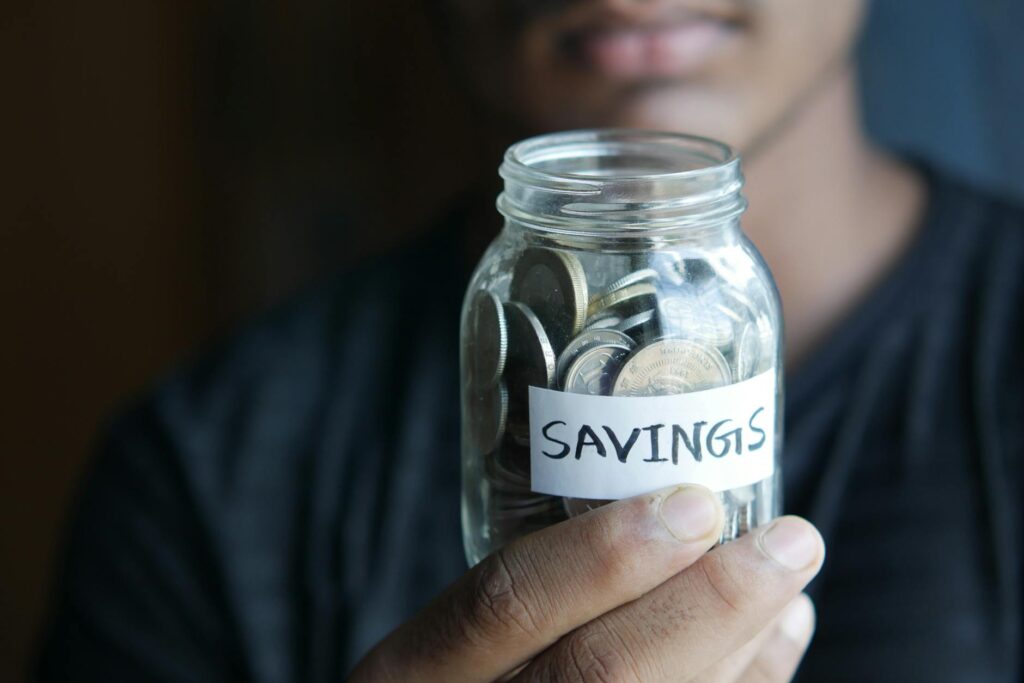
How to Save Money Every Month UK: 25 Proven Methods for 2026
In April 2026, managing finances effectively is more important than ever. Many UK households struggle to save consistently, with money often disappearing without a clear explanation. By systematically applying proven money-saving strategies, it’s possible to significantly increase monthly savings. This guide outlines 25 methods that have demonstrated real results for UK households.
Latest Update (April 2026)
Recent financial news highlights the ongoing importance of smart spending and saving. As reported by NerdWallet on April 2, 2026, utilizing credit cards strategically can be beneficial for almost every purchase, particularly when using rewards and avoiding interest charges. Simultaneously, articles like those on 930 WFMD Free Talk (March 31, 2026) emphasize the need to identify and eliminate unnecessary expenses, a key component of a successful saving strategy. The Consumer Reports analysis of Amazon Prime (April 2, 2026) also underscores the importance of regularly evaluating subscription services to ensure they still provide value.
The average UK household expenditure was estimated at approximately £3,200 per month for the financial year ending 2025, according to the Office for National Statistics (ONS). However, reports suggest a significant portion of the population does not actively track their spending. This article provides actionable steps to regain financial control and build substantial monthly savings.
Table of Contents
- Housing and Utilities: Your Biggest Opportunity
- Transport: Cut Costs Without Compromising
- Food Shopping: Smart Strategies That Work
- Embrace the Circular Economy & Second-Hand Marketplaces
- Subscription Audit: The Hidden Money Drain
- Energy Efficiency: Quick Wins for Lower Bills
- Banking and Finances: Optimise Your Money
- Harness AI-Powered Budgeting and Spending Analytics
- Lifestyle Changes That Don’t Hurt
- Common Mistakes to Avoid
- Frequently Asked Questions About Saving Money in the UK (2026)
Housing and Utilities: Your Biggest Opportunity
Housing costs typically represent a substantial portion of income, often between 25-35%. Optimising expenses in this area can yield significant savings.
1. Switch Energy Suppliers Annually
Despite market shifts and price caps, actively reviewing energy tariffs is essential. Using official comparison tools, such as those provided by Ofgem, can reveal potential annual savings of £250-£350. Consider fixed-rate tariffs for predictable costs or smart tariffs if your usage patterns align with off-peak rates.
2. Negotiate Your Council Tax Band
Verify that your property is in the correct council tax band. Adjustments can lead to savings of approximately £186 yearly. Official government data suggests a notable percentage of UK properties may be in the wrong band.
3. Review Your Home Insurance
Avoid automatic renewals. Shopping around for home insurance a few weeks before renewal can result in substantial savings, with users reporting reductions from over £400 to under £300 for comparable coverage.
Transport: Cut Costs Without Compromising
4. Use Fuel Price Apps
Utilise fuel price comparison applications to find the cheapest local petrol stations. These apps can lead to monthly savings of £8-£12, demonstrating how small, consistent savings accumulate.
5. Consider Car Insurance Telematics
For safe drivers, telematics insurance policies can offer significant reductions in premiums, potentially between 20-40%. Some younger drivers have reported saving over £300 in their first year of coverage.
6. Explore Annual Transport Passes
Annual railcards and season tickets can be more cost-effective than monthly payments. For eligible individuals, specific railcards offer substantial discounts on most journeys.
Food Shopping: Smart Strategies That Work
Food expenditure accounts for a significant portion of household budgets, yet it offers considerable scope for savings through smart planning.
7. Master Discounted Food Timings
Learn the markdown schedules at your local supermarkets. Many retailers reduce prices on perishable goods in the evenings, allowing for savings of £40-£60 monthly if planned effectively.
8. Use Cashback and Rewards Apps
Employ cashback and rewards applications that provide tangible returns on everyday shopping. Users report earning £15-£25 monthly through these platforms.
9. Plan Meals Around Supermarket Offers
Consult weekly supermarket flyers and promotions before planning your meals. This approach can lead to a reduction in food costs, with some studies indicating savings of up to 23%.
Note: Bulk buying only provides savings if all items are used before expiry. Unused bulk purchases can lead to significant waste and financial loss.
Embrace the Circular Economy & Second-Hand Marketplaces
10. Buy and Sell Pre-Owned Items
The second-hand economy is a robust sector in 2026, offering substantial savings and environmental benefits. Before purchasing new items, explore platforms like Vinted, eBay, Depop, and Facebook Marketplace for clothing, electronics, and furniture. Selling unneeded items can also generate extra income, creating a mutually beneficial outcome for finances and sustainability.
Subscription Audit: The Hidden Money Drain
11. Cancel Forgotten Subscriptions
Reports indicate that the average UK adult pays for multiple subscription services they no longer use or recall. Regularly reviewing bank statements for recurring payments is essential to identify and cancel these forgotten drains on finances.
12. Share Family Plans
Many popular streaming and digital services, such as Netflix, Spotify, and Amazon Prime, offer family or household sharing options. Splitting the cost with family members or trusted friends can significantly reduce individual monthly outlays. For instance, sharing a Netflix plan can lower monthly costs from over £10 to under £4.
13. Rotate Streaming Services
Avoid maintaining multiple streaming subscriptions simultaneously. Subscribe to one service, consume the desired content, cancel, and then move to another. This strategy can save £30-£50 monthly.
Energy Efficiency: Quick Wins for Lower Bills
14. Lower Your Thermostat
Reducing your thermostat setting by just 1°C can save approximately £80 annually. Many individuals find this small adjustment has minimal impact on comfort but a noticeable effect on bills.
15. Use LED Bulbs
Switching to LED bulbs can reduce electricity consumption by up to 80% compared to traditional incandescent bulbs. Replacing a few key bulbs can result in annual savings of around £35.
16. Unplug Devices
Many electronic devices consume power even when switched off, known as standby power. This ‘vampire drain’ can cost UK households an average of £35 annually. Unplugging chargers, TVs, and computers when not in use can mitigate these costs.
Banking and Finances: Optimise Your Money
17. Switch to a High-Interest Savings Account
As of April 2026, numerous UK banks and building societies offer easy-access savings accounts with Annual Equivalent Rates (AER) ranging from 3.5% to 5.0%. Moving funds from a standard current account (often earning 0.1% interest) to an account offering 4.5% AER could generate an additional £220 annually on a £5,000 balance through passive interest.
18. Use 0% Purchase Credit Cards Strategically
For larger planned purchases, utilising a 0% interest purchase credit card can be advantageous, provided the balance is cleared before the introductory period ends. As NerdWallet reported on April 2, 2026, strategic credit card use, including these introductory offers, can be beneficial. This allows you to spread the cost without incurring interest charges, effectively providing a short-term interest-free loan.
19. Consolidate Debts
High-interest debt can significantly hinder savings goals. Explore options for debt consolidation, such as balance transfer credit cards (with a 0% introductory period) or personal loans with lower interest rates, to reduce overall interest payments.
Harness AI-Powered Budgeting and Spending Analytics
20. Employ AI Budgeting Tools
Numerous modern banking apps and dedicated financial management tools now incorporate AI to analyse spending patterns, categorise expenses, and provide personalised saving recommendations. These tools can offer insights that manual tracking might miss, helping to identify areas for potential savings.
21. Automate Savings
Set up automatic transfers from your current account to your savings account on payday. Treating savings as a non-negotiable expense ensures consistency and reduces the temptation to spend the money.
Lifestyle Changes That Don’t Hurt
22. Reduce Dining Out and Takeaways
The cost of regularly eating out or ordering takeaways can be substantial. Preparing meals at home and packing lunches can save hundreds of pounds per month. Users report saving over £200 monthly by reducing these expenses.
23. Embrace Free Entertainment
There are numerous free activities available, from visiting local parks and museums (many offer free entry days) to enjoying library resources and community events. Focusing on these can significantly cut down on entertainment spending.
24. Buy Second-Hand or Refurbished Tech
When purchasing electronics or appliances, consider reputable second-hand or refurbished options. These items are often significantly cheaper than new models and come with warranties, offering great value.
25. DIY and Repair Instead of Replacing
For minor home repairs or clothing alterations, learning basic DIY skills can save money. Repairing items instead of immediately replacing them prolongs their lifespan and reduces waste.
Common Mistakes to Avoid
- Impulse Buying: Failing to plan purchases and succumbing to spontaneous buys.
- Ignoring Small Expenses: Underestimating the cumulative impact of daily small purchases, like daily coffees or convenience snacks.
- Not Tracking Spending: Lacking awareness of where money is actually going, making it difficult to identify savings opportunities.
- Setting Unrealistic Goals: Aiming for savings targets that are too aggressive, leading to discouragement.
- Failing to Review Regularly: Not periodically reassessing budgets, subscriptions, and savings strategies to adapt to changing circumstances.
Frequently Asked Questions About Saving Money in the UK (2026)
How much should I aim to save each month?
Experts generally recommend saving at least 10-20% of your income each month. However, the exact amount depends on your income, expenses, and financial goals. As vocal.media discussed on March 14, 2026, even saving small amounts consistently is crucial when living paycheck to paycheck.
Are credit cards good for saving money?
Credit cards can be beneficial if used strategically, as highlighted by NerdWallet (April 2, 2026). Utilizing 0% introductory APR offers for purchases or balance transfers, and earning rewards or cashback, can save money. However, it’s vital to avoid incurring interest by paying off balances in full and on time.
What is the best way to track my spending?
The most effective method is often a combination of tools. Many free budgeting apps use AI to categorise spending automatically. Alternatively, a simple spreadsheet or a dedicated notebook can work if updated diligently. The key is consistency.
How can I save money on groceries without sacrificing quality?
Planning meals around supermarket offers, buying store-brand products, reducing food waste through proper storage and using leftovers, and mastering discount timings are effective strategies. Utilising cashback apps can also provide additional savings.
Is it still worth switching energy suppliers in 2026?
Yes, it remains highly recommended. While the market has stabilised compared to previous years, actively comparing tariffs through Ofgem-approved comparison sites can still yield significant annual savings, often in the hundreds of pounds.
Conclusion
Implementing these 25 proven methods can dramatically improve your ability to save money every month in the UK. By focusing on key areas like housing, utilities, food, and subscriptions, and embracing smart financial habits and modern tools, substantial financial gains are achievable. Consistent application and regular review of your strategies are key to long-term success in building a healthier savings account.