
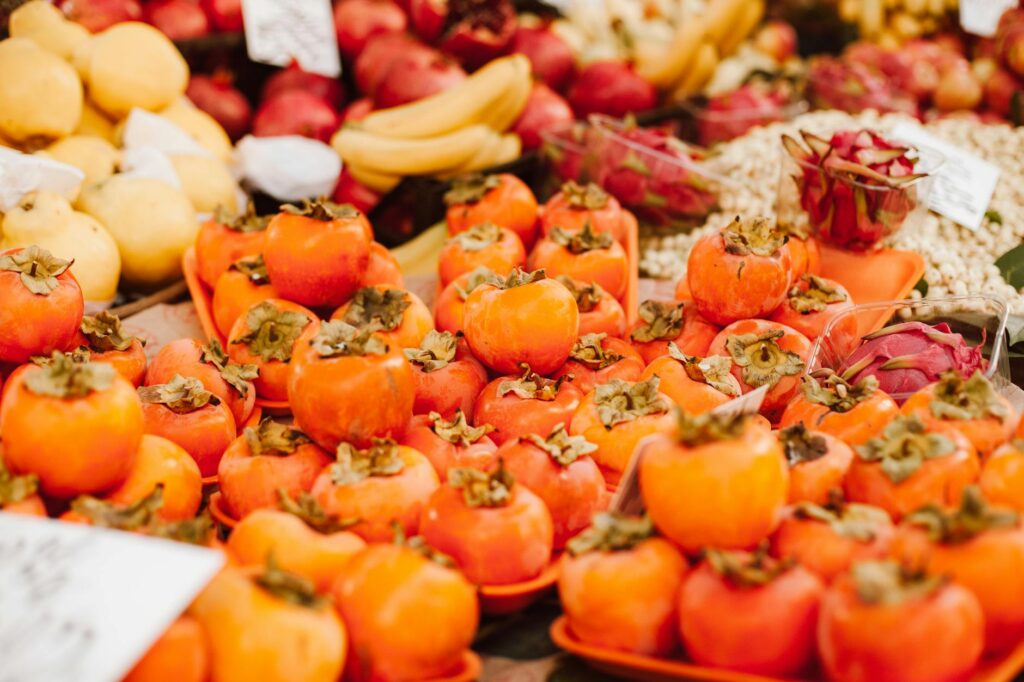
Caquis Fruit: What’s New in 2026?
The world of fruit is always evolving, and the caquis fruit, more commonly known as the persimmon, is no exception. In 2026, we’re seeing a continued surge in interest, driven by its unique flavor profile, impressive nutritional benefits, and growing availability thanks to advancements in cultivation and global supply chains. If you’re wondering what’s changed and how to best enjoy this delightful fruit, you’ve come to the right place.
This article dives into the latest developments surrounding caquis fruit, offering practical tips and insights for consumers, home cooks, and fruit enthusiasts alike. We’ll explore what makes caquis a standout in the produce aisle, recent trends, and how to select, store, and savor them to their fullest potential.
Table of Contents
What Exactly Are Caquis Fruit?
Caquis fruit, scientifically known as Diospyros kaki, is the edible fruit of a tree in the genus Diospyros. While often referred to as persimmon in many parts of the world, the term ‘caquis’ is widely used in Portuguese and Spanish-speaking regions and is gaining traction globally. These fruits are typically orange or reddish-orange when ripe, with a smooth, waxy skin. They come in two main types: astringent and non-astringent, which significantly impacts how and when they can be eaten.
The two most common varieties you’ll encounter are the Hachiya (astringent) and Fuyu (non-astringent). Hachiya caquis must be completely soft and jelly-like before consumption to avoid an unpleasant, mouth-puckering sensation. Fuyu caquis, on the other hand, can be eaten firm like an apple and have a mild, sweet flavor. Understanding this distinction is key to enjoying caquis fruit.
[IMAGE alt=”A comparison of a firm Fuyu caquis fruit and a soft Hachiya caquis fruit” caption=”Fuyu (left) is best firm, while Hachiya (right) must be soft.”]
What’s New in Caquis Cultivation?
The cultivation of caquis fruit has seen significant advancements, particularly in the last few years leading up to 2026. Researchers and farmers are focusing on developing new cultivars that offer improved disease resistance, better cold hardiness, and enhanced flavor profiles. There’s also a growing emphasis on sustainable and organic farming practices, responding to consumer demand for healthier and environmentally friendly produce.
One notable development is the expansion of caquis cultivation into regions previously considered unsuitable due to climate. Innovations in grafting techniques and controlled growing environments are allowing for a more consistent and year-round supply, moving beyond traditional seasonal limitations. Companies like Horta, a leading agricultural technology firm, have been instrumental in developing resilient strains suitable for diverse climates.
🎬 Related Video
📹 Katrina kaif's favourite fruit #katrinakaif #persimmon #celebrity — Watch on YouTube
When Can You Find Caquis Fruit Now?
Traditionally, caquis fruit (persimmons) are a fall and early winter fruit, typically available from September through December in the Northern Hemisphere. However, due to the cultivation advances mentioned earlier, the availability window is gradually expanding. You might now find some varieties, especially those grown in warmer climates or under controlled conditions, appearing as early as late summer or lingering into early spring.
The peak season for most Fuyu and Hachiya varieties remains autumn. For the most up-to-date information on regional availability, checking with local farmers’ markets or specialty grocers is your best bet. The global fruit market in 2026 is more interconnected than ever, meaning that while local seasons are key, imported varieties can extend enjoyment throughout the year.
How to Choose the Perfect Caquis Fruit
Selecting the right caquis fruit depends on the variety you intend to buy. For Fuyu (non-astringent) caquis, look for fruits that are firm, plump, and have a vibrant orange color. They should feel heavy for their size, indicating juiciness. Avoid any with significant bruising, cracks, or soft spots. They should be firm enough to slice like an apple.
For Hachiya (astringent) caquis, the selection process is different. These must be picked when they are very soft, almost mushy, and the skin might appear slightly translucent or wrinkled. If you try to eat a Hachiya while it’s firm, it will be intensely astringent. The color should be a deep orange to reddish-orange. Think of the consistency of a ripe tomato or a very soft plum.
| Variety | Texture When Ripe | How to Eat | Appearance |
|---|---|---|---|
| Fuyu | Firm, crisp | Bite like an apple, slice into salads | Squat, tomato-like shape |
| Hachiya | Soft, jelly-like | Scoop with a spoon, use in baking/smoothies | Acorn-shaped, pointed blossom end |
Storing and Ripening Your Caquis
Proper storage and ripening are crucial for enjoying caquis fruit at its best. Non-astringent Fuyu caquis can be stored at room temperature for a few days until ripe, or in the refrigerator for up to a week to slow down ripening. They don’t require special ripening treatment.
Astringent Hachiya caquis, however, need careful ripening. Leave them at room temperature, away from direct sunlight, until they are completely soft. You can speed up the process by placing them in a paper bag with a banana or apple, which release ethylene gas that aids ripening. Do not refrigerate Hachiya caquis until they are fully ripe, as chilling can hinder the softening process and affect texture.
The global production of persimmons reached over 5.3 million metric tons in 2023, with China being the largest producer, according to the Food and Agriculture Organization of the United Nations (FAOSTAT). This highlights the fruit’s significant presence in global agriculture.
Creative Ways to Eat Caquis Fruit
Caquis fruit offers a versatile culinary experience. Fuyu caquis, with their crisp texture and mild sweetness, are fantastic sliced thinly in salads, paired with cheeses like goat cheese or brie, or simply eaten as a healthy snack. They also hold their shape well when baked, making them a great addition to tarts or muffins.
Hachiya caquis, once fully ripe and soft, are perfect for baking. Their sweet, custardy pulp can be mashed and used in puddings, cakes (like persimmon bread or cookies), and smoothies. They add a natural sweetness and unique flavor that’s hard to replicate. You can also simply scoop out the flesh with a spoon and enjoy its rich, smooth texture.
Experiment with savory applications too! A drizzle of balsamic glaze over sliced Fuyu caquis can be a delightful appetizer. For a unique twist, try incorporating ripe Hachiya pulp into a savory dip or spread.
[IMAGE alt=”A slice of Fuyu caquis fruit on a cheese board with nuts and crackers” caption=”Fuyu caquis add a sweet contrast to savory cheese platters.”]
The Nutritional Power of Caquis Fruit
Beyond their delightful taste, caquis fruit are nutritional powerhouses. They are an excellent source of Vitamin C, which is vital for immune function and skin health. They also provide a good amount of dietary fiber, essential for digestive health and helping you feel full.
Caquis are rich in antioxidants, including flavonoids and carotenoids, which help combat oxidative stress in the body and may reduce the risk of chronic diseases. They also contain important minerals like manganese and potassium. For those looking to manage their weight, the fiber content and natural sweetness make them a satisfying low-calorie snack. A medium Fuyu persimmon contains roughly 118 calories and 6 grams of fiber.
Frequently Asked Questions
Frequently Asked Questions About Caquis Fruit
Can I eat caquis fruit if it’s still a little firm?
If you are eating a Fuyu variety, yes, it can be eaten when firm and crisp like an apple. If you are eating an astringent variety like Hachiya, it must be completely soft and jelly-like to avoid an unpleasant, bitter taste.
How do I know if my caquis fruit is ripe?
For Fuyu caquis, ripeness is indicated by a deep orange color and a slight give when gently pressed. For Hachiya caquis, ripeness means they are very soft, almost mushy, with wrinkled skin. They should feel heavy for their size.
Are caquis fruit good for weight loss?
Yes, caquis fruit can be a beneficial part of a weight loss diet. They are naturally sweet, satisfying cravings with fewer calories than many processed snacks. Their high fiber content promotes satiety, helping you feel fuller for longer and reducing overall calorie intake.
What is the difference between caquis and persimmons?
The terms are often used interchangeably. ‘Persimmon’ is the common English name for the fruit of several species in the genus Diospyros. ‘Caquis’ is the word used in Portuguese and Spanish, and for many, it refers specifically to the Diospyros kaki species, which is the most common type found in international markets.
Can I freeze caquis fruit?
Yes, you can freeze caquis fruit, especially the soft, ripe Hachiya variety. Peel the fruit, remove any seeds, and then you can freeze it whole, sliced, or pureed in an airtight container. Frozen caquis pulp is excellent for smoothies or baking.
Embrace the Evolving World of Caquis Fruit
The caquis fruit, or persimmon, continues to charm palates worldwide with its unique flavor and health benefits. With ongoing advancements in cultivation and a growing understanding of its varieties, enjoying this vibrant fruit is more accessible and exciting than ever in 2026. Whether you’re a seasoned fan or trying it for the first time, remember to choose the right variety for your intended use and savor its delicious, nutrient-rich goodness.