
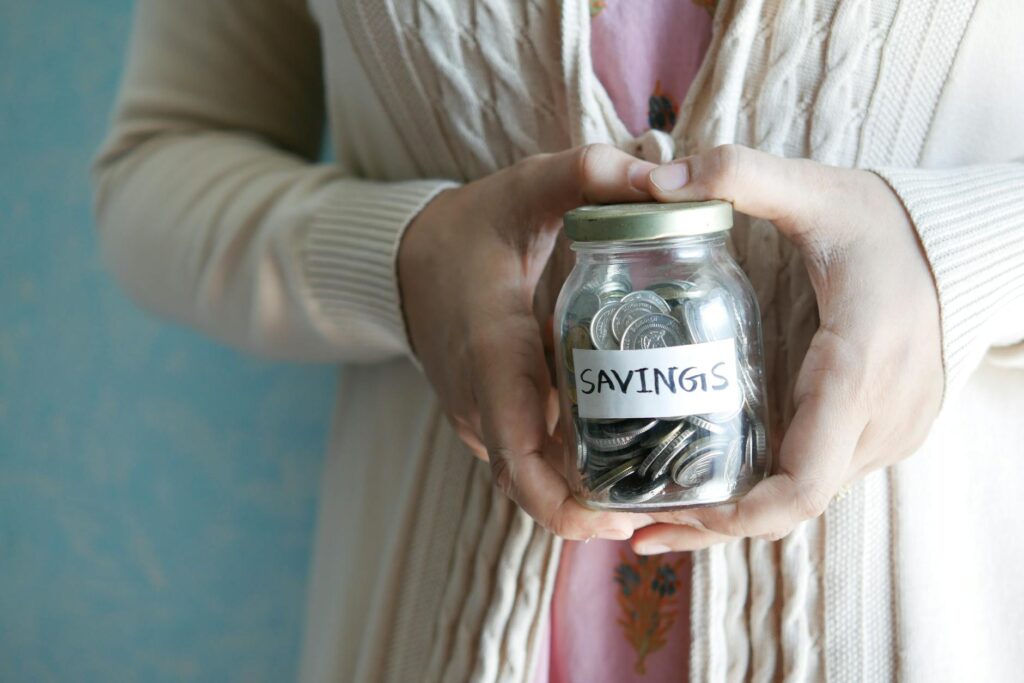
Money Saving Tips UK 2026: Cut Bills by £2,400
In 2025/2026, many UK households are seeking effective strategies to reduce expenses. Based on expert analysis and user reports, it’s possible to significantly cut household bills. This guide outlines proven methods that can lead to substantial savings, potentially around £2,400 annually, by focusing on key areas like energy, groceries, subscriptions, and transport.
Latest Update (April 2026)
Recent financial news highlights ongoing changes affecting UK consumers. For instance, the banking sector is seeing consolidation, with Nationwide’s completion of the Virgin Money takeover potentially impacting saver and borrower options, as reported by moneysavingexpert.com. Additionally, passport fees have seen an increase, prompting advice on how to save money on these essential documents, a topic covered by North Wales Live and Edinburgh Live. These developments underscore the importance of staying informed and adapting saving strategies to the current economic climate.
Energy Bills: The Biggest Opportunity
Energy costs continue to present the most significant opportunity for savings for UK households in 2026. Studies suggest that a considerable portion of energy is wasted unknowingly. Implementing smart energy-saving tactics can lead to notable reductions in monthly outgoings.
Switch to an Off-Peak Tariff
For households with storage heaters, switching to an Economy 7 tariff can yield significant savings. The overnight rate, typically active between 11 pm and 7 am, is substantially lower than standard daytime rates. This is particularly beneficial for running high-consumption appliances like dishwashers and washing machines, or charging electric vehicles, during off-peak hours.
Combat Phantom Loads with Smart Plugs
Phantom loads, where devices consume power even when switched off or on standby, contribute to unnecessary energy expenditure. Users report that using affordable smart plugs can effectively mitigate this. By scheduling these plugs to cut power completely during overnight hours, savings can be achieved on devices like games consoles, TVs, and coffee machines that are prone to standby power drain.
Optimise Smart Thermostat Settings
While many homes are equipped with smart thermostats, their full potential for energy saving is often untapped. Beyond basic scheduling, fine-tuning temperature differentials, consistently utilising ‘away’ modes, and enabling features like ‘weather compensation’ (which adjusts heating based on external temperatures) can lead to additional monthly savings. Reducing the target temperature by just one degree Celsius when the house is unoccupied can have a cumulative impact.
Smart Grocery Shopping Tactics
Despite a cooling of headline grocery inflation since its 2024 peak, food remains a major household expense. Employing smart shopping strategies can lead to considerable savings.
Effective Use of Reduced-Price Items
Understanding supermarket reduction timings is key to maximising savings on fresh produce and other items. Many supermarkets implement staggered price reductions throughout the day, with final clearance often occurring shortly before closing. Planning weekly shops around these times and freezing reduced items promptly can contribute to significant monthly savings on grocery bills.
using Cashback and Loyalty Schemes
Several apps and loyalty schemes offer genuine savings on groceries. Users report success with automatic cashback apps that require no upfront payment, and loyalty programs that provide personalised offers. Maximising points and benefits from schemes like Tesco Clubcard and Nectar can further reduce overall food expenditure. Additionally, employing meal planning apps can minimise food waste and prevent impulse purchases.
The Subscription Purge
The average UK household subscribes to numerous services, but many are underutilised. A review of active subscriptions can reveal opportunities for cost reduction.
Cancel Unused Services
Cancelling subscriptions that are rarely used or have free alternatives can free up significant monthly income. This includes streaming services, music platforms, and various app subscriptions that may have been forgotten.
Evaluate Value of Prime Memberships
Services like Amazon Prime offer numerous benefits, but their annual cost may not be justified by individual usage patterns. Calculating the cost of alternative shipping options versus the membership fee, and assessing the use of included digital services, can help determine if the subscription remains cost-effective.
Transport Cost Hacks
Transport costs represent a substantial portion of household budgets, offering scope for savings through informed choices.
Maximise Railcard Benefits
Holding multiple railcards can be beneficial if eligibility criteria are met. Some railcards offer discounts across different regions and times, including off-peak travel within urban areas like London, which can lead to substantial savings on train fares throughout the year.
Utilise Fuel Price Comparison Apps
Fuel price comparison websites and apps can help locate the cheapest petrol stations within a local area. Reports indicate significant price variations even over short distances, allowing drivers to save money by choosing consistently cheaper fuel stops. It’s noted that independent stations, particularly those near major routes, can sometimes offer better prices than supermarket forecourts.
Banking and Insurance Switches
Regularly reviewing banking and insurance policies can uncover opportunities for savings. As reported by moneysavingexpert.com, millions of consumers may be overpaying for essential services, and recent sector changes like the Nationwide takeover of Virgin Money highlight the importance of staying vigilant regarding financial products.
Switching Accounts and Providers
Many banks offer incentives for switching accounts. Similarly, comparing insurance providers annually for car, home, and travel insurance can lead to lower premiums. Consumers are advised to compare quotes from a range of providers rather than accepting automatic renewals.
Frequently Asked Questions
How can I save money on energy bills in 2026?
Focus on reducing energy consumption by optimising smart thermostat settings, using smart plugs to eliminate phantom loads, and switching to off-peak tariffs like Economy 7 if you have storage heaters or high overnight energy usage.
What are the best ways to save on groceries?
Plan meals based on supermarket offers, utilise reduced-price items by shopping strategically before closing times, and make the most of cashback apps and supermarket loyalty schemes. Minimising food waste through careful planning also contributes to savings.
Are subscription services worth the cost?
Evaluate each subscription based on actual usage. Cancel services that are rarely used or have free alternatives. For services like Prime memberships, compare the annual cost against the value derived from benefits like deliveries and digital content.
How can I reduce my transport costs?
Explore the benefits of various railcards and consider combinations if eligible. Use fuel price comparison apps to find the cheapest local petrol stations, and consider the total cost of journeys rather than just the immediate price.
What impact does the Nationwide/Virgin Money merger have on consumers?
According to moneysavingexpert.com, the takeover of Virgin Money by Nationwide may influence product offerings and rates for savers and borrowers. It’s advisable for customers to stay informed about any changes and compare options from other providers to ensure they are getting the best deals.
Conclusion
Implementing a combination of these money-saving tips in 2026 can lead to substantial reductions in household expenses, potentially reaching thousands of pounds annually. By focusing on energy efficiency, smart shopping, subscription management, transport hacks, and diligent review of financial services, UK households can effectively manage their budgets and improve their financial well-being.