Are Persimmon Skins Edible? The Truth You Need
Are persimmon skins edible? Yes, you absolutely can eat persimmon skins, but with a crucial distinction: it depends heavily on the type of persimmon and its ripeness. While many people automatically peel them, a surprising number of persimmon varieties boast edible and even beneficial skins, offering a unique texture and nutritional boost if prepared correctly.
This article dives deep into whether persimmon skins are edible, exploring the nuances of different persimmon types, how to prepare them for consumption, and the potential benefits and drawbacks of eating the peel. We’ll challenge the common assumption that all persimmon skins must be discarded.
Table of Contents
What Exactly Are Persimmons?
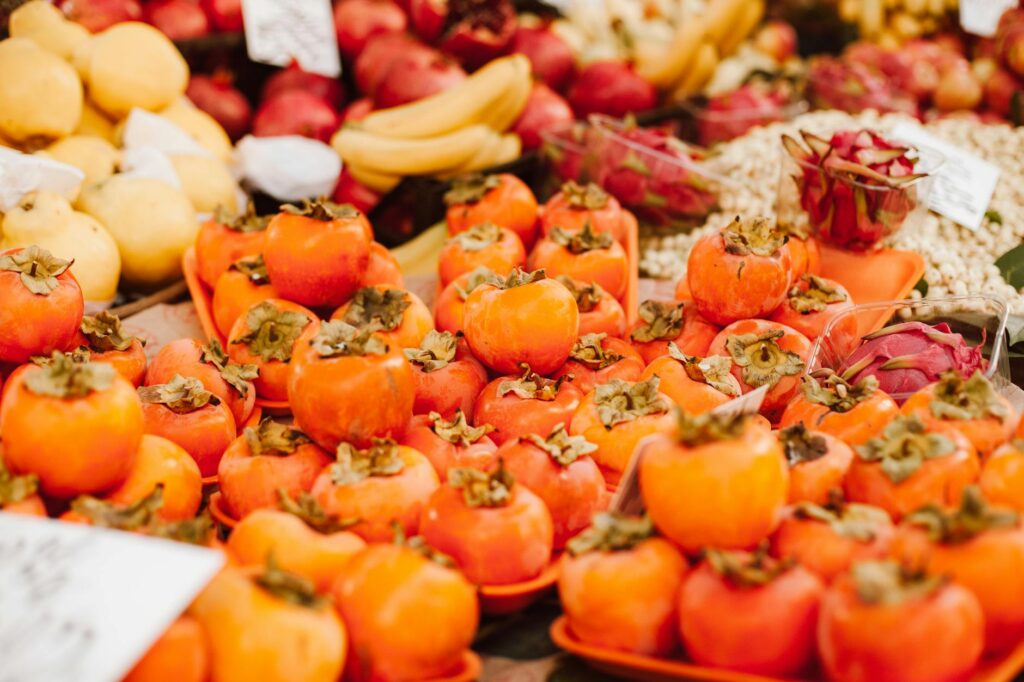
Persimmons are fruits belonging to the genus Diospyros, which comprises over 700 species of deciduous and evergreen trees and shrubs. The most commonly cultivated and consumed persimmons are derived from two species: Diospyros kaki (Asian or Japanese persimmon) and Diospyros virginiana (American persimmon). These fruits typically have a vibrant orange-red hue and a sweet, sometimes slightly tangy, flavor profile when ripe. Their texture can range from firm and crisp to soft and jelly-like, depending on the variety and ripeness.
Astringent vs. Non-Astringent: The Key Difference for Edible Skins
The single most critical factor determining whether persimmon skins are palatable is whether the fruit is astringent or non-astringent. Astringent persimmons, like the Hachiya variety, contain high levels of soluble tannins. These tannins create that unpleasant, mouth-puckering sensation if eaten before the fruit is extremely soft and jelly-like. In contrast, non-astringent persimmons, such as the Fuyu, have significantly lower tannin levels, making their flesh and skin enjoyable to eat even when firm.
So, when asking “are persimmon skins edible?” the immediate follow-up is: “What kind of persimmon is it?” For non-astringent types, the skin is generally considered edible and safe. For astringent types, eating the skin before the fruit is fully ripe is a recipe for a very unpleasant taste experience, and most people avoid it even when ripe due to texture preferences.
🎬 Related Video
📹 are persimmon skins edible — Watch on YouTube
Can You Eat Fuyu Persimmon Skin?
Yes, you can definitively eat Fuyu persimmon skin. Fuyu persimmons are the quintessential non-astringent variety, often described as tasting like a sweet apple or a mild squash. Their skin is thin, smooth, and lacks the harsh tannins that plague astringent types. When Fuyu persimmons are ripe, their skins are perfectly safe and often quite enjoyable to consume, especially when the fruit is firm and crisp.
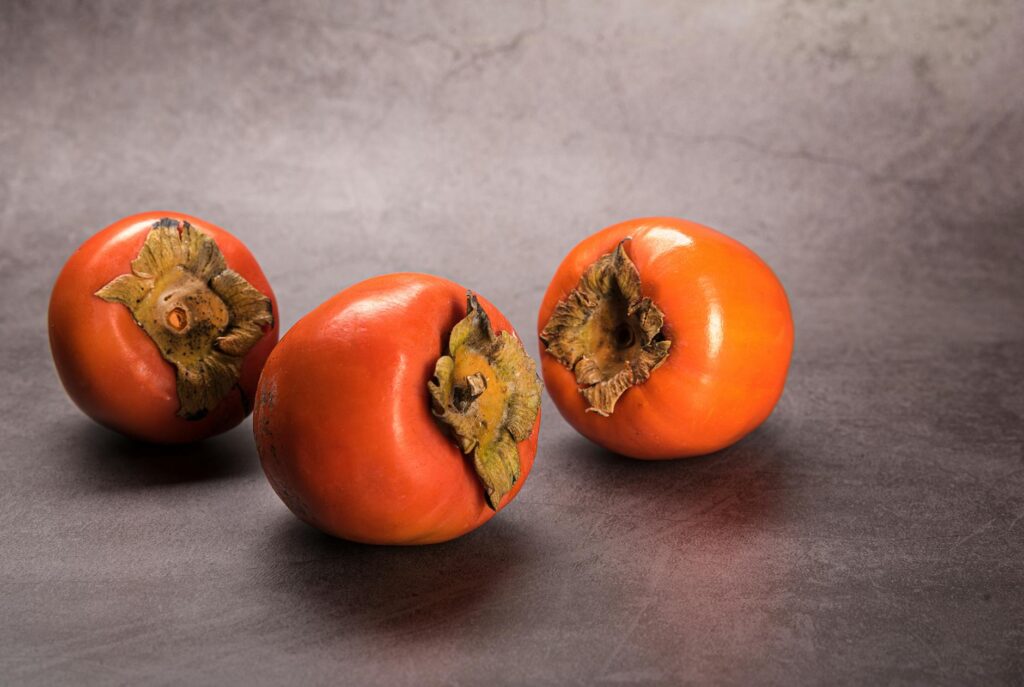
Many culinary enthusiasts recommend eating Fuyu persimmons whole, including the skin, after a thorough washing. The skin adds a slight textural contrast and contains beneficial nutrients. Think of it like eating an apple or a pear – you wouldn’t typically peel those unless you prefer to. The same logic applies to Fuyu persimmons.
[IMAGE alt=”A sliced Fuyu persimmon showing its firm flesh and edible skin” caption=”Fuyu persimmons can be eaten whole, skin and all.”]
Eating Hachiya Persimmon Skin: A Risky Proposition?
Eating Hachiya persimmon skin is generally not recommended, even when the fruit is ripe. Hachiya are highly astringent. While the flesh becomes incredibly soft and gelatinous when fully ripe (almost pudding-like), the skin retains a significant amount of tannins. This means that even a ripe Hachiya’s skin can still contribute an unpleasant, bitter, or drying sensation to the eating experience.
Most people consume Hachiya persimmons by scooping out the soft flesh with a spoon, leaving the skin behind. While technically the skin might be less astringent when the fruit is extremely ripe, the texture and lingering tannin taste make it an unpopular choice for consumption. For Hachiya, the answer to “are persimmon skins edible?” leans heavily towards “no, it’s best avoided.”
How to Prepare Persimmon Skins for Eating
Preparing persimmon skins for consumption is straightforward, focusing primarily on cleanliness and ensuring you’re working with the right variety. If you’ve determined your persimmon is a non-astringent type (like Fuyu), follow these simple steps:
- Wash Thoroughly: This is the most crucial step. Use cool running water and gently rub the skin to remove any dirt, pesticides, or residues. A soft vegetable brush can be helpful for stubborn spots.
- Inspect for Damage: Check the skin for any bruises, blemishes, or soft spots. While minor imperfections might be okay, avoid areas that look damaged or diseased.
- Dry Gently: Pat the persimmon dry with a clean towel or paper towel.
- Consume Whole or Slice: For Fuyu persimmons, you can eat them as is, like an apple, or slice them into rounds or wedges. The skin adds a pleasant chewiness.
- For Cooking: If you’re using persimmons in recipes like jams, pies, or baked goods, you can often leave the skin on (especially for Fuyu) and chop them up. The cooking process can further soften the skin.
Remember, if you are dealing with an astringent variety like Hachiya, peeling is the standard practice. The skin is not typically part of the intended eating experience for these types.
Nutritional Benefits of Persimmon Skins
While the flesh of persimmons is nutritious, the skins, particularly of non-astringent varieties, offer their own set of health benefits. They are a good source of dietary fiber, which aids digestion and promotes satiety. Persimmon skins also contain antioxidants, including carotenoids and flavonoids, which help combat cellular damage from free radicals in the body. Also, they contribute to the fruit’s overall vitamin C content, important for immune function and skin health.
The skin of fruits often contains a higher concentration of certain vitamins, minerals, and antioxidants compared to the flesh. For persimmons, this holds true, making the edible skin a valuable part of the fruit’s nutritional profile. (Source: USDA Agricultural Research Service)
Including the skin of Fuyu persimmons in your diet can enhance the fiber intake and provide a boost of beneficial plant compounds. It’s a simple way to maximize the nutritional value of this delicious autumn fruit.
[IMAGE alt=”Close-up of persimmon skin showing texture and color” caption=”Persimmon skins contain fiber and antioxidants.”]
Common Mistakes When Eating Persimmon Skins
The biggest mistake people make when considering whether persimmon skins are edible is failing to differentiate between astringent and non-astringent varieties. This often leads to the assumption that all persimmon skins are unpalatable or even harmful, which isn’t true.
Another common error is not washing the fruit thoroughly. Just like any other fruit with an edible peel, persimmons can carry contaminants from the farm or during transport. Skipping the washing step poses a health risk.
Finally, some individuals might try to eat the skin of an astringent persimmon that isn’t fully ripe, expecting it to be like an apple. This will invariably result in an extremely unpleasant, astringent taste that can put you off persimmons altogether. Always confirm ripeness and variety!
Here’s a quick comparison:
| Persimmon Type | Skin Edible? | Tannin Level | Recommended Preparation |
|---|---|---|---|
| Fuyu (Non-Astringent) | Yes | Low | Wash and eat whole, or slice. |
| Hachiya (Astringent) | Generally No | High (until very ripe) | Peel and scoop flesh, or wait until jelly-soft. |
| Other Asian Varieties (e.g., Jiro) | Varies (check type) | Low to High | Depends on astringency; wash if low tannin. |
| American Persimmon (Diospyros virginiana) | Generally No (unless fully ripe) | Very High (until fully ripe) | Must be extremely soft; often processed. |
Frequently Asked Questions About Persimmon Skins
Are persimmon skins edible raw?
Yes, the skins of non-astringent persimmons like Fuyu are edible raw after proper washing. They offer a slightly firm texture and contribute to the fruit’s nutritional value when consumed uncooked.
What happens if you eat unripe persimmon skin?
If you eat the skin of an unripe astringent persimmon, you will experience a strong, unpleasant, mouth-puckering sensation due to high tannin content. It’s not harmful but is very unpalatable.
Do I need to peel persimmons?
It depends on the variety. For non-astringent persimmons like Fuyu, peeling is optional as the skin is edible. For astringent persimmons like Hachiya, peeling is generally recommended unless the fruit is exceptionally soft and jelly-like.
Can persimmon skins be used in cooking?
Yes, the skins of non-astringent persimmons can be included in cooking. They can be chopped and added to pies, muffins, or jams, softening considerably during the cooking process.
Are there any health risks associated with eating persimmon skins?
The primary risk is consuming the skin of an astringent persimmon before it’s fully ripe, leading to an unpleasant taste. Otherwise, ensuring the skin is well-washed mitigates risks from pesticides or dirt. The skins themselves are not inherently dangerous.
Conclusion: Embrace the Edible Skin
So, are persimmon skins edible? Absolutely, for the right kind of persimmon! The key takeaway is understanding the difference between astringent and non-astringent varieties. Fuyu persimmons, with their low tannin content, are perfectly suited for eating skin-on after a good wash. This approach not only simplifies preparation but also allows you to benefit from the fiber and antioxidants present in the peel.
Don’t let the common practice of peeling deter you from exploring the full potential of fruits like the Fuyu. Next time you pick up a Fuyu persimmon, give eating the skin a try – you might just discover a new favorite way to enjoy this delightful fruit!